
Metal stamping services play a crucial role in the manufacturing industry, providing efficient and precise solutions for various applications. This comprehensive guide explores the intricacies of custom metal stamping processes, their benefits, and how they cater to the needs of different sectors, including automotive, aerospace, and medical industries. As manufacturers seek to enhance production efficiency and product quality, understanding the mechanisms behind metal stamping becomes essential. This article will delve into the processes involved, the materials used, and the quality standards that ensure reliable outcomes. Additionally, we will discuss how manufacturers can request quotes and navigate the cost factors associated with metal stamping services.
What Are Custom Metal Stamping Processes and Their Benefits?
Custom metal stamping processes involve shaping and cutting metal sheets into desired forms using specialized dies and presses. This method is highly efficient, allowing for the mass production of parts with consistent quality and precision. The benefits of custom metal stamping include reduced manufacturing costs, improved product durability, and the ability to create complex shapes that meet specific design requirements. By utilizing advanced stamping techniques, manufacturers can achieve tighter tolerances and higher production rates, making it an ideal choice for industries that demand high-quality components.
How Does Precision Metal Stamping Enhance Manufacturing Quality?
Precision metal stamping enhances manufacturing quality by ensuring that each part produced meets strict specifications and tolerances. This is achieved through the use of advanced tooling and machinery that can replicate designs with high accuracy. The result is a reduction in waste and rework, leading to cost savings and improved efficiency. Furthermore, precision stamping allows for the integration of features such as holes, slots, and bends, which can be incorporated into the design without additional processing steps.
What Materials and Tooling Are Used in Custom Metal Fabrication?
Custom metal fabrication relies on a variety of materials, including steel, aluminum, brass, and copper, each chosen for its specific properties and suitability for the intended application. The tooling used in metal stamping includes dies, punches, and presses, which are designed to withstand the forces involved in the stamping process. High-quality tooling is essential for achieving the desired precision and longevity of the stamped parts, ensuring that manufacturers can produce components that meet industry standards.
How Are Automotive Stamping Parts Manufactured and Applied?

Automotive stamping parts are manufactured through a series of processes that transform raw metal sheets into functional components used in vehicles. This includes the use of progressive stamping techniques, which allow for the continuous feeding of metal strips through a series of dies to create complex shapes in a single operation. The application of automotive metal stamping is vast, encompassing parts such as brackets, panels, and structural components that are critical to vehicle performance and safety.
What Are the Key Applications of Automotive Metal Stamping?
The key applications of automotive metal stamping include the production of body panels, chassis components, and interior parts. These components are essential for the structural integrity and aesthetic appeal of vehicles. By utilizing metal stamping, manufacturers can produce lightweight yet strong parts that contribute to overall vehicle efficiency and safety. Additionally, the ability to create intricate designs allows for greater flexibility in automotive design and engineering.
How Does Progressive Metal Stamping Improve Automotive Part Production?
Progressive metal stamping improves automotive part production by streamlining the manufacturing process and reducing cycle times. This technique allows for multiple operations to be performed in a single pass, minimizing the need for secondary operations and reducing labor costs. The efficiency gained through progressive stamping not only speeds up production but also enhances the consistency and quality of the parts produced, making it a preferred method in the automotive industry.
Which Quality Standards and Certifications Ensure Reliable Metal Stamping Services?
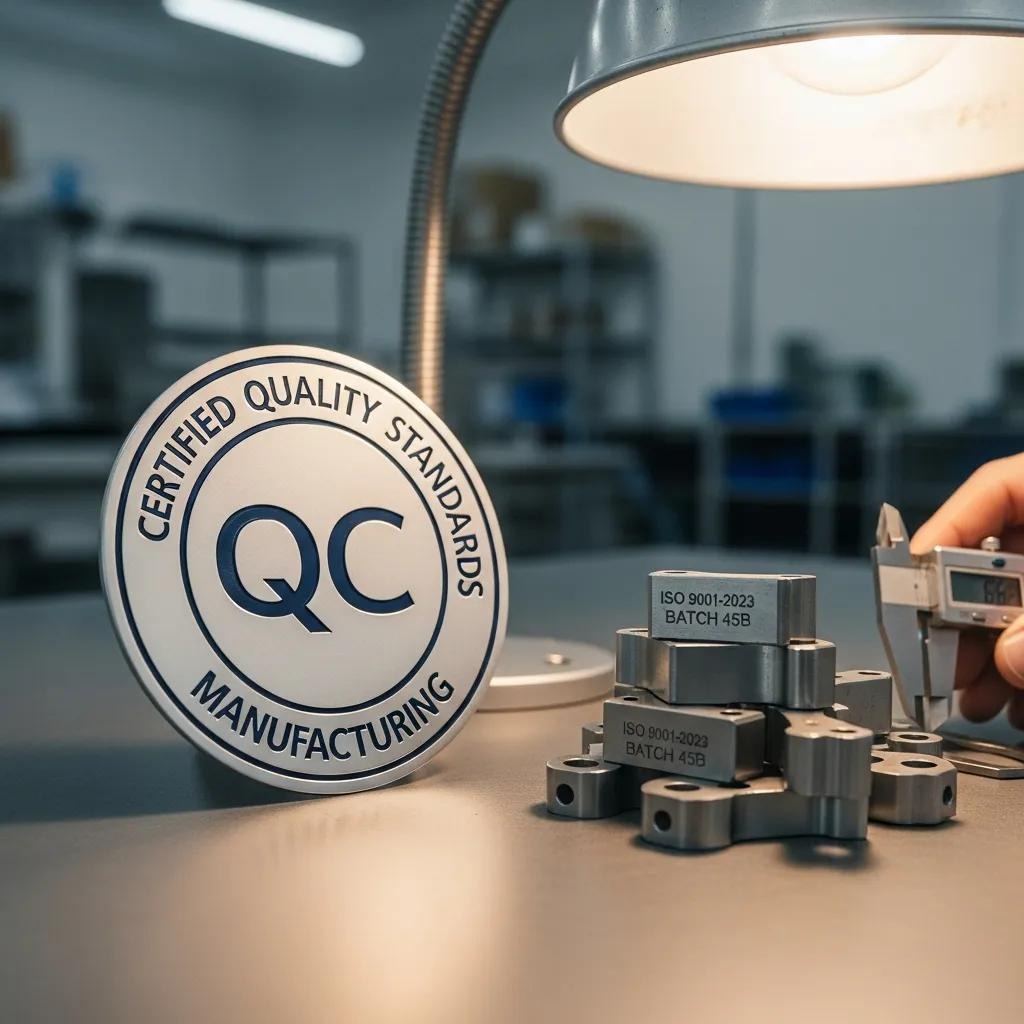
Quality standards and certifications play a vital role in ensuring that metal stamping services meet industry requirements and customer expectations. Adhering to these standards helps manufacturers maintain high levels of quality and reliability in their products. ISO quality certifications, such as ISO 9001, are among the most recognized standards in the industry, indicating that a company has implemented effective quality management systems.
Advanced technologies like digital twins are increasingly being explored to further enhance quality control and optimize processes in sheet metal stamping.
Digital Twins for High-Quality Sheet Metal Stamping
In manufacturing processes, including sheet metal stamping, the advantages of high production speed, cost-effective tooling, and consistent component production are counterbalanced by the challenge of dimensional variability in finished parts, which is influenced by process parameters. Data collection, storage, and analysis are essential for understanding manufactured parts variability, and leveraging true digital twins ensures high-quality parts production and processes optimization.
Revolutionizing sheet metal stamping through industry 5.0 digital twins: a comprehensive review, OAA Modad, 2025
Why Is ISO Quality Certification Critical for Metal Stamping Providers?
ISO quality certification is critical for metal stamping providers as it demonstrates their commitment to quality and continuous improvement. This certification ensures that manufacturers follow standardized processes that enhance product quality and customer satisfaction. By achieving ISO certification, companies can gain a competitive edge in the market, as it assures clients of their capability to deliver consistent and high-quality products.
How Do Quality Standards Impact Custom Manufacturing Solutions?
Quality standards impact custom manufacturing solutions by establishing benchmarks for performance, safety, and reliability. These standards guide manufacturers in their processes, ensuring that they meet regulatory requirements and customer specifications. By adhering to quality standards, manufacturers can reduce defects, improve product performance, and enhance customer trust, ultimately leading to increased business opportunities.
How Can Manufacturers Request Quotes and Understand Cost Factors for Metal Stamping?
Manufacturers looking to request quotes for metal stamping services should follow a structured approach to ensure they receive accurate and competitive pricing. This involves providing detailed specifications of the required parts, including dimensions, materials, and production volumes. Understanding the cost factors associated with metal stamping is essential for making informed decisions and optimizing budgets.
What Are the Main Cost Drivers in Metal Stamping Manufacturing?
The main cost drivers in metal stamping manufacturing include material costs, labor expenses, and tooling investments. Material costs can vary significantly based on the type of metal used and market fluctuations. Labor expenses are influenced by the complexity of the stamping process and the level of automation employed. Tooling investments are critical, as high-quality dies and presses are necessary for achieving precision and efficiency in production.
How to Navigate the Project Quoting Process for Custom Metal Stamping?
Navigating the project quoting process for custom metal stamping involves several key steps:
- Define Specifications: Clearly outline the dimensions, materials, and tolerances required for the parts.
- Select Suppliers: Research and identify potential metal stamping providers with relevant experience and capabilities.
- Request Quotes: Submit detailed requests for quotes to selected suppliers, including all necessary specifications.
- Evaluate Proposals: Compare quotes based on pricing, lead times, and quality assurances to select the best option.
By following these steps, manufacturers can effectively manage the quoting process and ensure they receive competitive pricing for their metal stamping needs.
Different cost factors in metal stamping can be summarized as follows:
| Cost Driver | Description | Impact Level |
|---|---|---|
| Material Costs | Fluctuations in metal prices affect overall costs | High |
| Labor Expenses | Complexity of the stamping process influences labor costs | Medium |
| Tooling Investments | Quality of dies and presses impacts production efficiency | High |
This table highlights the key cost drivers that manufacturers must consider when budgeting for metal stamping projects, emphasizing the importance of selecting the right materials and tooling to optimize production costs.
Frequently Asked Questions
What is the difference between metal stamping and other metal forming processes?
Metal stamping differs from other metal forming processes, such as forging or machining, primarily in its method of shaping metal. Stamping uses dies and presses to cut and form metal sheets into specific shapes, allowing for high-volume production with consistent quality. In contrast, forging involves shaping metal through compressive forces, while machining removes material to achieve desired shapes. Stamping is often more cost-effective for large runs, making it a preferred choice for industries requiring precision and efficiency.
What industries benefit the most from metal stamping services?
Metal stamping services are crucial for various industries, including automotive, aerospace, electronics, and medical devices. The automotive industry relies on stamping for producing body panels, brackets, and structural components, while aerospace applications often require lightweight yet strong parts. Electronics manufacturers use stamping for intricate components like connectors and housings. The medical sector benefits from precision stamping for devices and instruments, highlighting the versatility and importance of metal stamping across multiple sectors.
How does the choice of material affect the metal stamping process?
The choice of material significantly impacts the metal stamping process, influencing factors such as tooling design, production speed, and final product quality. Different metals, like aluminum, steel, and brass, have varying properties, including strength, ductility, and corrosion resistance. For instance, aluminum is lightweight and easy to stamp, making it ideal for automotive applications, while high-strength steel is preferred for structural components. Selecting the right material ensures optimal performance and cost-effectiveness in the stamping process.
What are the environmental considerations in metal stamping?
Environmental considerations in metal stamping include waste management, energy consumption, and material sourcing. Manufacturers are increasingly adopting sustainable practices, such as recycling scrap metal generated during the stamping process and using energy-efficient machinery. Additionally, sourcing materials from responsible suppliers can reduce the environmental impact. Implementing these practices not only helps in compliance with regulations but also enhances a company’s reputation and appeal to environmentally conscious customers.
What advancements are being made in metal stamping technology?
Recent advancements in metal stamping technology include the integration of automation, robotics, and Industry 4.0 principles. These innovations enhance production efficiency, reduce labor costs, and improve precision. Technologies like digital twins and real-time monitoring systems are being utilized to optimize processes and ensure quality control. Additionally, advancements in tooling materials and designs allow for more complex shapes and tighter tolerances, further pushing the boundaries of what can be achieved in metal stamping.
How can manufacturers ensure compliance with industry regulations in metal stamping?
Manufacturers can ensure compliance with industry regulations in metal stamping by staying informed about relevant standards and certifications, such as ISO and ASTM. Implementing a robust quality management system helps maintain compliance and improve product quality. Regular audits and training for staff on regulatory requirements are also essential. Collaborating with experienced suppliers who understand compliance can further streamline the process, ensuring that all stamped components meet necessary safety and performance standards.
Conclusion
Custom metal stamping services offer manufacturers enhanced efficiency, precision, and cost-effectiveness, making them essential for various industries, particularly automotive. By understanding the processes, materials, and quality standards involved, businesses can ensure they receive high-quality components that meet their specific needs. To explore how our metal stamping solutions can elevate your production capabilities, consider reaching out for a personalized quote today. Discover the difference that expert metal stamping can make for your projects and drive your success forward.